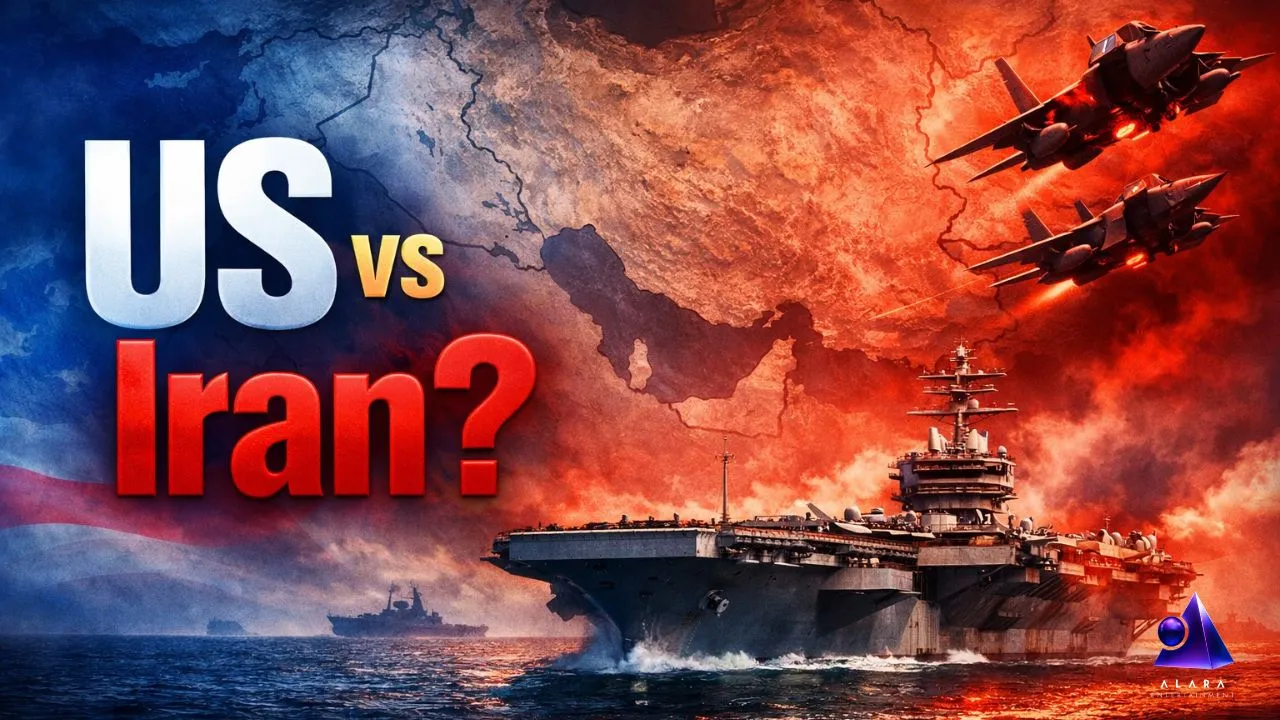
Washington and Tehran are set to meet for their second round of discussions on Iran’s nuclear program in Geneva on Tuesday, coinciding with a significant increase in the U.S. military presence in the Middle East and large-scale Iranian naval exercises.
Background of the Talks
The first round of indirect talks took place in Oman on February 6, though details regarding Tuesday’s session remain limited. U.S. envoys Steve Witkoff and Jared Kushner are expected to participate in the upcoming negotiations. U.S. Secretary of State Marco Rubio emphasized that Washington is seeking a diplomatic solution with Tehran despite existing challenges. “I won’t pre-judge these talks,” Rubio said. “The president consistently favors peaceful and negotiated outcomes over conflict.”
Iran’s Position
Meanwhile, Iranian Foreign Minister Abbas Araghchi, who leads Iran’s delegation, met with the head of the International Atomic Energy Agency (IAEA) in Geneva on Monday. Araghchi stated on X: “I am in Geneva with concrete ideas to achieve a fair and equitable agreement. Submission to threats is not on the agenda.”
Mediation Efforts
Last week, a senior Iranian security official traveled to Oman to meet with Omani Foreign Minister Badr Al Busaidi, the chief mediator in the talks, likely to review the outcomes of the first round and plan next steps. Al Busaidi stressed on X: “Regional peace and security remain our priority, and we call for restraint and wise compromise.”
Military Tensions Rising
The second round of talks occurs amid repeated U.S. threats from Trump to use military force to pressure Iran into limiting its nuclear activities and over the crackdown on nationwide protests. Iran has warned that it would retaliate if attacked. On Monday, Iran’s Revolutionary Guard Corps (IRGC) launched early-morning naval drills in the Strait of Hormuz, the Persian Gulf, and the Gulf of Oman—key international shipping routes through which roughly 20% of global oil trade passes.
US Military Deployment
Additionally, Trump announced last week that the world’s largest aircraft carrier, the USS Gerald R. Ford, is on its way to the Caribbean and the Middle East to join other U.S. warships and military assets already deployed in the region.
What’s Next?
The second round of talks could determine the trajectory of US-Iran relations, nuclear negotiations, and regional stability. We invite our readers to share their thoughts and predictions in the comments section below.
Thank you for staying with Alara Entertainment for the latest updates.
Last Updated on 17, February 2026 by admin | Published: 17, February 2026