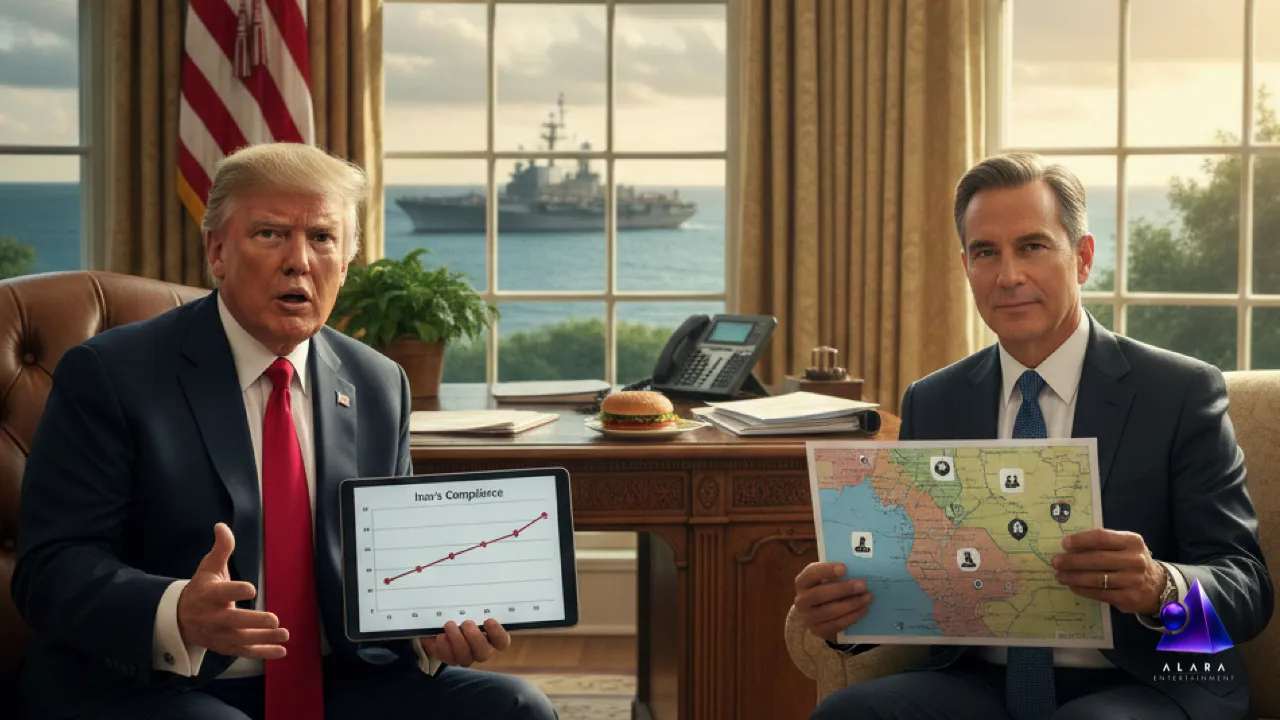
As tensions between Washington and Tehran reach a fever pitch during Donald Trump’s new presidential term, recent remarks by Steve Witkoff, the U.S. Special Envoy for the Middle East, have shed new light on the White House’s perspective on the Iran issue. According to a Reuters report, Witkoff claimed that Donald Trump has expressed astonishment as to why Iran, despite a massive U.S. military presence in the region and heavy economic sanctions, has not yet “capitulated.”
Maximum Pressure Strategy and the Wait for Collapse
The Trump administration has long maintained that a combination of crippling economic sanctions and a credible military threat could drive the Islamic Republic to the negotiating table or lead to a fundamental change in behavior. Steve Witkoff noted that Trump, with his business-oriented and power-based worldview, expected Iran to shift its stance much sooner under this level of duress.
“However, the reality on the ground reveals far more complexity. Relying on its ‘active resistance’ strategy, Tehran has shown that Washington’s calculations do not necessarily align with Iran’s geopolitical realities.”
Steve Witkoff’s Role in the New Middle East Equations
As one of Trump’s closest confidants, Steve Witkoff is tasked with finding a path to end regional conflicts. Nevertheless, Trump’s curiosity regarding Iran’s refusal to surrender highlights a perceptual gap within the White House. While Washington views military might as the ultimate tool, Tehran defines its political survival and regional influence as red lines that are not tradable under military pressure.
Analyzing Iranian Behavior Against U.S. Military Buildup
The reinforcement of the U.S. military presence in the Persian Gulf and Eastern Mediterranean was a clear signal of deterrence. However, international analysts believe that Iran views any retreat at this stage as an admission of total defeat and an invitation for further pressure. Consequently, Tehran seeks to maintain a balance of power by increasing uranium enrichment levels and continuing support for its regional allies.
Is a Tactical Shift on the Horizon?
Witkoff’s remarks may signal a potential reassessment of the Trump administration’s tactics. If “Maximum Pressure” has not achieved the desired result of capitulation, will Trump move toward a “Grand Bargain,” or will he put more aggressive options on the table? Steve Witkoff emphasized that Trump still seeks “Peace Through Strength,” but such peace requires a mutual understanding of each side’s capacities.
Conclusion
Recent reports indicate that Iran remains the greatest foreign policy challenge for the Trump administration in the Middle East. While his special envoy marvels at Iran’s resilience, the world watches to see if diplomacy can replace military threats. What remains clear is that Iran has demonstrated a pattern of response to external pressure that differs significantly from what Trump expects.
Latest News at Alara Entertainment !
Last Updated on 24, February 2026 by admin | Published: 23, February 2026