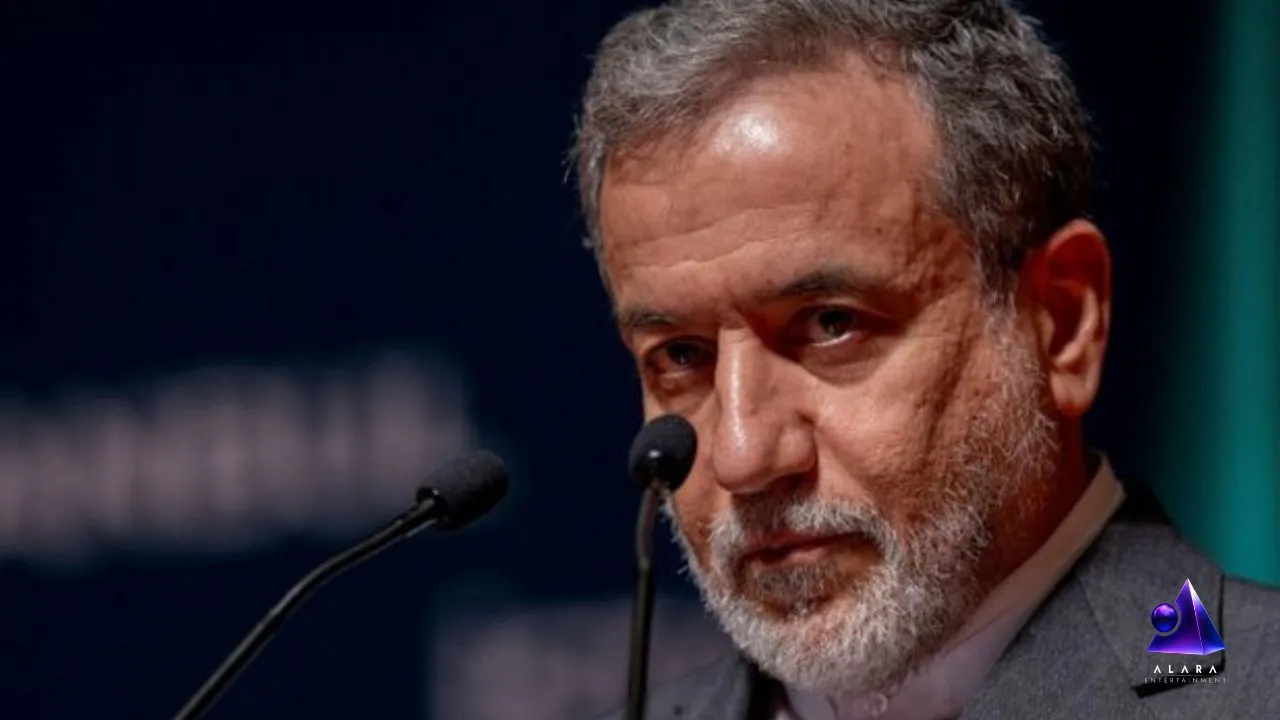
The Guardian, the new round of nuclear negotiations between Iran and the United States in 2026 has become more of a battle of wills and a “diplomatic poker” game than a technical discussion. At the center of this campaign stands a figure whom Western media call the architect of Iran’s “strategic patience.”
The Re-emergence of Professional Diplomacy in Tehran
After years of tension and deadlock regarding the JCPOA, the return of negotiating teams to Vienna signals a change in tone, though not necessarily in positions. This time, Iran has entered the arena with an approach that The Guardian describes as “Wily.” This strategy is a blend of profound legal knowledge and a “Poker Face” that has made reading Iran’s hand harder than ever for the American side.
Abbas Araghchi, now recognized as a symbol of continuity and experience in Iranian foreign policy, plays a pivotal role. He understands well that in nuclear diplomacy, time is a commodity that can be bought to one’s advantage or burned to the opponent’s detriment.
Key Iranian Tactics in the 2026 Negotiations
Reports indicate that the Iranian team has prioritized three main pillars in its agenda:
- Psychological Attrition: Utilizing “reverse deadlines” to compel the West into granting concessions.
- Decoupling Technical and Political Issues: Insisting on sanctions relief before any rollback in nuclear steps.
- Regional Leverages: Indirectly linking the progress of negotiations to stability in the Middle East.
Why Is the U.S. Concerned About “Iranian Patience”?
Washington is well aware that Iranian diplomats are masters of last-minute bargaining. While domestic pressure in the United States mounts for a quick deal, Tehran coolly avoids any rush. This “waiting game” has left Washington in a position of weakness, fearing Iran’s technical advancements in enrichment.
“For Iranians, diplomacy is a marathon, not a sprint. They will not put pen to paper until every detail works in their favor.”
Conclusion: A Breakthrough or Continued Deadlock?
The nuclear talks in February 2026 proved that Iran is no longer satisfied with verbal promises. The “wily” Iranian diplomat, carrying the weight of bitter past experiences, is now seeking “tangible guarantees.” If the West fails to accept the new realities of regional power and Iran’s nuclear progress, the Iranian diplomats’ poker face may remain unchanged for a long time.
Latest news on Alara Entertainment website!
Last Updated on 18, February 2026 by admin | Published: 18, February 2026