
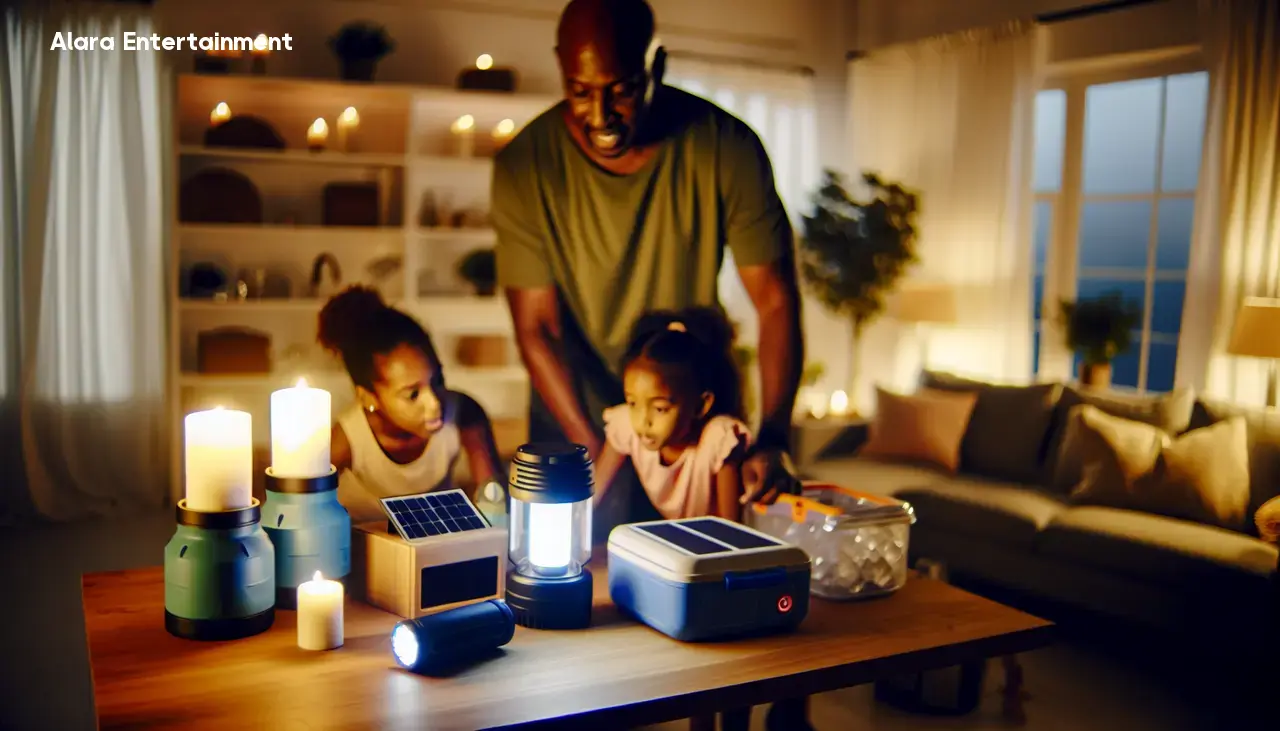
Power outages can be an unpleasant experience and disrupt the normal flow of daily life. However, with proper anticipation and planning, many of the resulting difficulties can be reduced. Preparing for a power outage is not limited to simply having candles or a flashlight; it also requires more comprehensive planning and access to essential equipment. Below are several practical suggestions to help prepare your home and family for potential power outages.
At the same time, Donald Trump, the President of the United States, has threatened that if the Strait of Hormuz is not reopened within 48 hours, several power plants in Iran will be targeted. Given the possibility of electricity disruptions, it is advisable to take preventive steps in advance. Having certain tools and supplies on hand can help you meet essential needs during a power outage. Below is a list of recommended preparations and equipment that may be useful in such situations.
Lighting essentials
Reliable light sources are the first priority during a blackout.
LED flashlights
LED flashlights use less energy and provide bright light. Keep one per family member plus spare batteries.
Rechargeable and solar lights
Rechargeable lamps can be powered by power banks or small solar panels. Solar lights work well if there is daylight to recharge them.
Candles and fire safety
Candles are useful but must be kept in stable, nonflammable holders and away from children and curtains.
Emergency power options
Consider multiple power sources depending on your needs.
Power banks
Power banks with at least 20,000 mAh can recharge phones several times. For larger appliances, consider other options.
Solar panels and generators
Portable solar panels can provide limited power. For extended outages, a gasoline or gas generator is more robust always operate generators outdoors with proper ventilation.
UPS and inverters
UPS units protect sensitive electronics and can provide short-term power. Inverters convert 12V battery power to 220V AC; choose an inverter with sufficient wattage for your devices.
Preparatory steps before an outage
Simple measures can make a big difference:
- Fully charge devices and power banks ahead of time.
- Store drinking water about 4 liters per person per day is recommended by the Red Cross.
- Prepare an emergency kit with lights, spare batteries, first aid, medications, and hygiene items.
- Keep nonperishable foods on hand and use coolers to preserve perishables.
- If possible, keep your vehicle fuel tank topped up to enable evacuation or to power a portable generator.
Food safety during outages
Maintaining cold temperatures prevents food spoilage.
- Keep refrigerator and freezer doors closed to retain cold air.
- Discard food that has been above 4°C for more than two hours and shows signs of spoilage.
- Frozen foods with ice crystals are often safe to refreeze, but when in doubt, do not consume them.
General safety tips
Prioritize safety to protect yourself and your family:
- Never touch downed power lines; contact the utility company.
- Use candles carefully and never leave them unattended.
- Ensure adequate ventilation when using fuel-burning devices indoors.
- Keep a battery-powered radio to receive updates and save emergency contact numbers.
- Enable power-saving mode on phones and limit unnecessary use.
Conclusion
A combination of lighting, emergency power, water and food supplies, and clear safety practices will help you manage a power outage with less stress. Preparing a grab-and-go kit and a household plan increases resilience during unexpected blackouts.
What do you think about these tips? Share your thoughts in the comments!
Last Updated on 23, March 2026 by admin | Published: 23, March 2026