
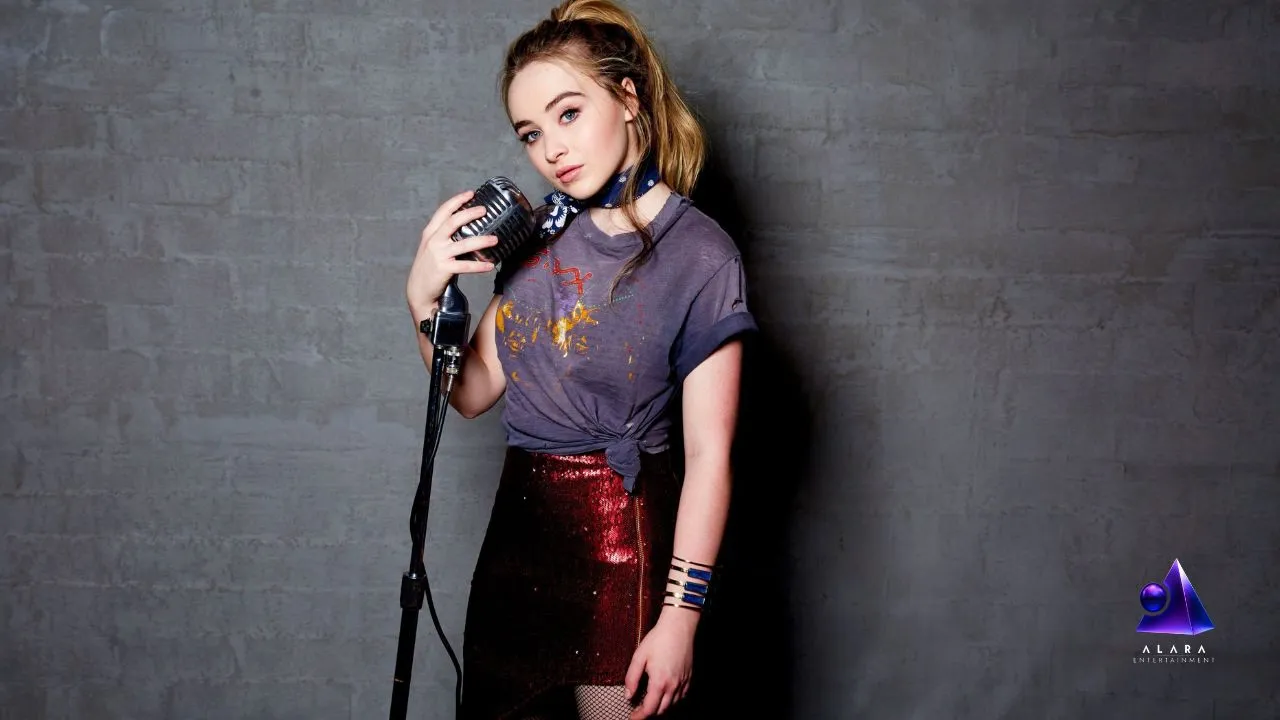
In recent days, the White House released a new video supporting the United States government’s immigration policies, which unexpectedly featured a short clip from Saturday Night Live performance by Sabrina Carpenter. This move, apparently aimed at emphasizing messages of order and border security, has triggered a wave of criticism across social media and news outlets.
Negative Backlash on Social Media
Social media users immediately reacted with sharp criticism to the use of a popular artist’s image for promoting government policies. Many Sabrina Carpenter fans on platforms like X and TikTok demanded the White House remove the video and provide an official explanation regarding usage permissions. Cultural activists also stressed that using SNL content without NBC or Sabrina’s consent could constitute copyright infringement.
Media Reactions and Sabrina Carpenter’s Position
According to reports from NME, the primary source breaking this story, it’s still unclear whether the White House’s promotional team obtained necessary permissions from SNL producers. Sabrina Carpenter has not yet issued a direct response, but sources close to her told music news outlets that “Carpenter had no role in the government’s decision to use the clip.”
Thin Line Between Entertainment and Politics
The issue of using artists’ images or videos in government campaigns has previously sparked similar controversies. Media experts believe such actions may damage public trust by blurring the lines between entertainment promotion and government policy messaging. Given that Sabrina Carpenter represents young American music with her pop hits and energetic performances, her sudden appearance in an official ICE video creates a striking contrast.
Expert Analysis and Cultural Impact
Political communication analysts say the goal of incorporating cultural and artistic elements into government messaging is to increase emotional impact on audiences. However, when done without coordination, it produces the opposite effect. In this case, Sabrina Carpenter’s personal brand value as a global artist may be overshadowed, potentially straining her relationship with NBC.
Conclusion
Despite widespread criticism, the White House has not issued an official response. Some legal sources suggest NBC may be exploring legal options to pursue the matter. Meanwhile, the debate over the ethics of using cultural figures in government videos has opened fresh perspectives on U.S. media policy.
This incident appears to go beyond a simple advertising mistake and could have profound implications for government-entertainment industry interactions in America where the boundaries between politics, culture, and media grow increasingly complex daily.
Hot News at Alara Entertainment!
Last Updated on 8, December 2025 by admin | Published: 8, December 2025