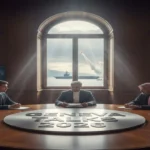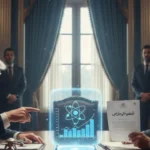
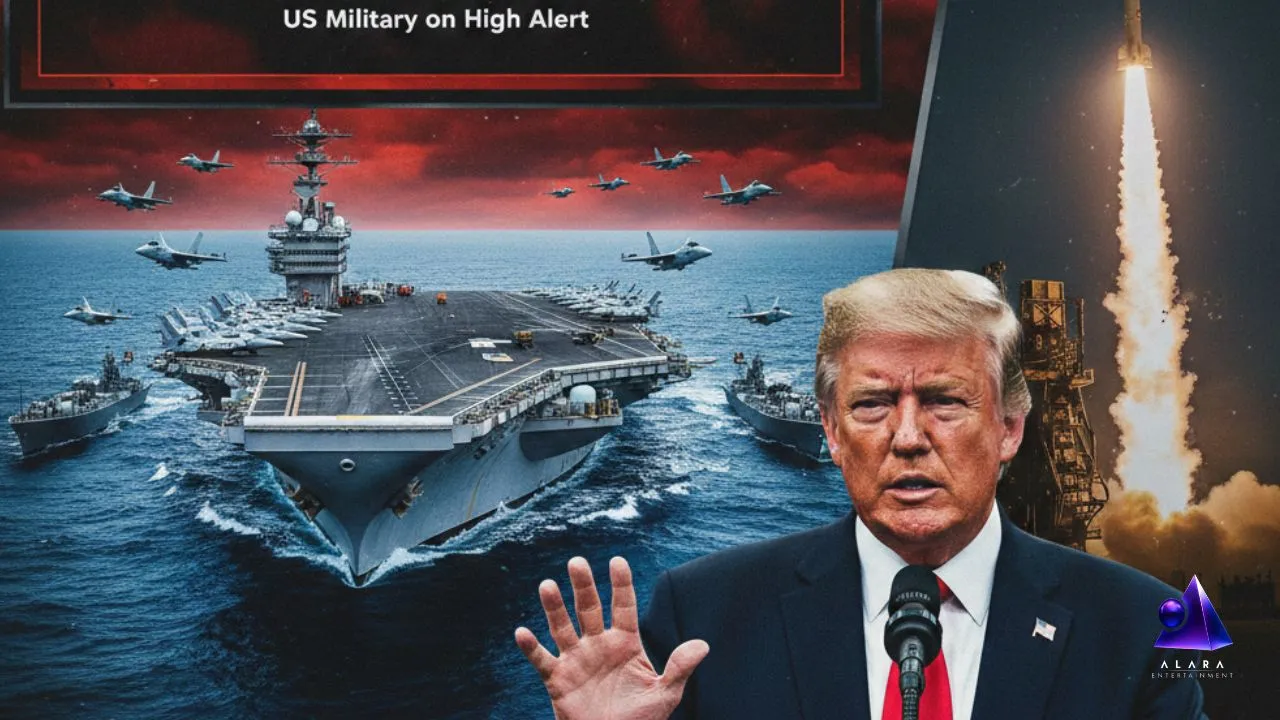
As tensions in the Middle East approach a boiling point, U.S. President Donald Trump has issued a sharp and unprecedented warning to Tehran. He stated that if they do not quickly come to the negotiating table and reach a new deal, they should expect “very bad things.” These remarks, made amid reports of an unprecedented increase in U.S. military movements in the region, have sounded alarm bells in global capitals.
Maximum Pressure; Washington’s New Strategy
Reports from reliable news sources, such as Euronews, indicate that the Trump administration, unlike its first term, has adopted a combination of “aggressive diplomacy” and a “defensive-offensive military posture.” Trump believes that time is running out for Iran to make a decision. In a recent speech, he emphasized that the United States is not seeking war but will not hesitate to use any option to protect its interests and those of its allies.
This approach, which analysts call “Maximum Pressure 2.0,” is designed to force Iran to accept new terms regarding its nuclear program, missile capabilities, and regional influence.
Increased U.S. Military Presence in the Persian Gulf and Mediterranean
Simultaneously with Trump’s ultimatum, the Pentagon has ordered the deployment of new carrier strike groups and advanced fighter squadrons to the region. According to field data, this volume of military presence is unprecedented in recent years. While U.S. officials claim the move is to “establish deterrence,” many experts see it as a foundation for a potential conflict should diplomacy fail.
- Deployment of a new aircraft carrier in the Sea of Oman.
- Strengthening missile defense systems at regional bases.
- Increased surveillance flights near Iran’s maritime borders.
International Reactions and Consequences
Trump’s ultimatum regarding the occurrence of “bad things” has sparked a wave of concern in global energy markets. Oil prices fluctuated immediately following these remarks. European countries, which have always emphasized maintaining diplomatic channels, now find themselves facing a new reality where the United States is no longer willing to wait long-term.
On the other hand, political analysts believe that Tehran stands at a strategic crossroads. Accepting negotiations under heavy military pressure could create internal challenges, while ignoring Washington’s warnings may lead to a direct confrontation with unpredictable costs for the entire region.
Conclusion: Trump’s Ultimatum
What we are witnessing in February 2026 is more than just a war of words. By linking the fate of a deal to a massive military presence, Donald Trump has effectively limited the room for maneuver for the opposing side. The coming days will reveal whether these warnings lead to a sudden diplomatic breakthrough or if the region will move toward one of its darkest eras.
Undoubtedly, the “America First” slogan is now intertwined with military tools to send a clear message to the world: the United States, under Trump’s leadership, will not be a spectator of change but will become the agent of change itself.
Hot news on Alara Entertainment website!
Last Updated on 20, February 2026 by admin | Published: 20, February 2026