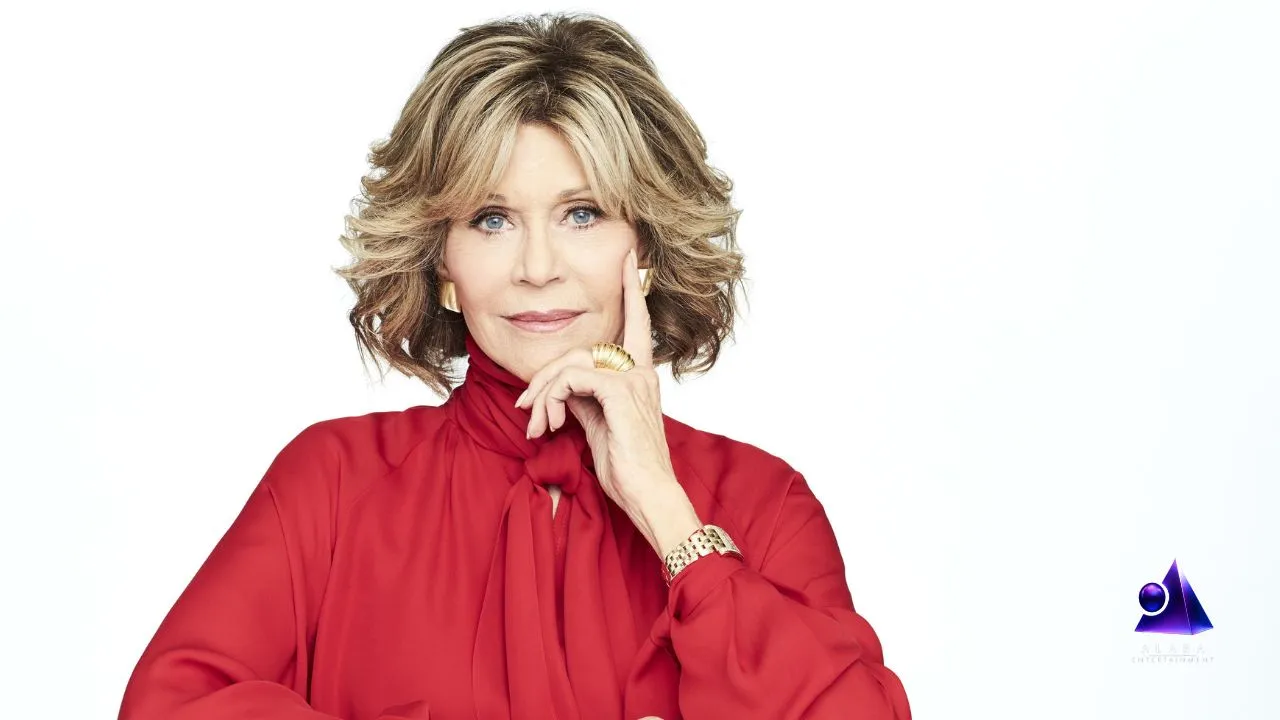
The recent agreement for Netflix to acquire Warner Bros.’ studio and streaming operations has sparked a fierce backlash across the film and TV industry. Among the most vocal critics are Jane Fonda and the Committee for the First Amendment (CFA), who warn that the merger poses a serious threat to media diversity, artistic independence, and workers’ rights in Hollywood.
What Is the Transaction?
Under a deal announced on 5 December 2025, Netflix agreed to purchase Warner Bros.’ film and television studios, along with its streaming operations, for roughly 72 billion dollars plus the company’s debt, pushing the total value to about 82.7 billion dollars. If completed, the transaction would hand Netflix control over major franchises such as DC titles, the “Harry Potter” universe, a vast library of classic films and series, and the streaming ecosystem built around HBO and HBO Max.
Why Are Jane Fonda and the CFA Deeply Concerned?
Media concentration and shrinking diversity
Fonda and the CFA argue that combining two such powerful players concentrates media power in the hands of a single global platform, narrowing the range of voices and stories that can reach audiences. When one company controls a huge share of high‑value content, independent creators face fewer opportunities, and commissioning decisions tend to favor safe, formula‑driven projects over risky or original ideas.
Risks to free expression and public access
The CFA warns that excessive concentration in one private gatekeeper can indirectly influence freedom of expression and editorial independence, even without direct state censorship. If a single corporation sets the economic rules for distribution and promotion, public culture can drift toward a narrower worldview, shaped by algorithmic priorities and commercial risk management rather than pluralism and debate.
Pressure on workers and creative professions
Guilds and professional associations in Hollywood have already raised alarms about declining job opportunities and worsening conditions in an increasingly consolidated market. Critics fear that the push for higher margins and global scale will mean more pressure to produce cheaper, more standardized content, leaving writers, directors, and below‑the‑line workers with less bargaining power and fewer chances to experiment.
Is the Merger Really a “Catastrophe”? Pros and Cons
Supporters of the deal argue that combining Netflix’s distribution infrastructure and data‑driven expertise with Warner Bros.’ deep catalogue and franchise power could result in bigger, technically stronger, and more globally visible productions. From this perspective, Netflix could introduce Warner’s iconic brands and libraries to new audiences in emerging markets, while simplifying release strategies across platforms.
Opponents like Jane Fonda and the CFA counter that any short‑term efficiency gains may come at the cost of long‑term cultural damage. They warn that audience choice could become more superficial, with many titles available on paper but filtered through one company’s algorithms, marketing priorities, and risk aversion, while minority and marginalized voices struggle to find space.
There is also concern about job losses as overlapping units are merged and redundant operations cut in the name of synergy. In this view, the transaction does not just reshape a balance sheet; it reshapes the ecology of global film and television production.
Should the Deal Be Stopped?
Jane Fonda and the CFA have described the agreement in stark terms, calling it “catastrophic” and urging regulators and the public to resist further consolidation of media power. For them, media must not be left to a quasi‑monopoly, and cultural diversity and creative autonomy should be treated as public goods, not expendable side effects of financial engineering.
Proponents respond that blocking such mergers could limit the ability of legacy studios to survive in a world dominated by on‑demand streaming and global tech platforms. The central question, however, remains whether potential artistic opportunities and large‑scale productions truly justify the risks of reduced pluralism, more fragile labor conditions, and a narrower landscape of stories and perspectives.
Any serious critique of the deal must therefore look beyond the headline number and consider its deeper impact on the future of media, culture, and global storytelling.
For more breaking industry stories, visit Alara Entertainment online.
Last Updated on 6, December 2025 by admin | Published: 6, December 2025