
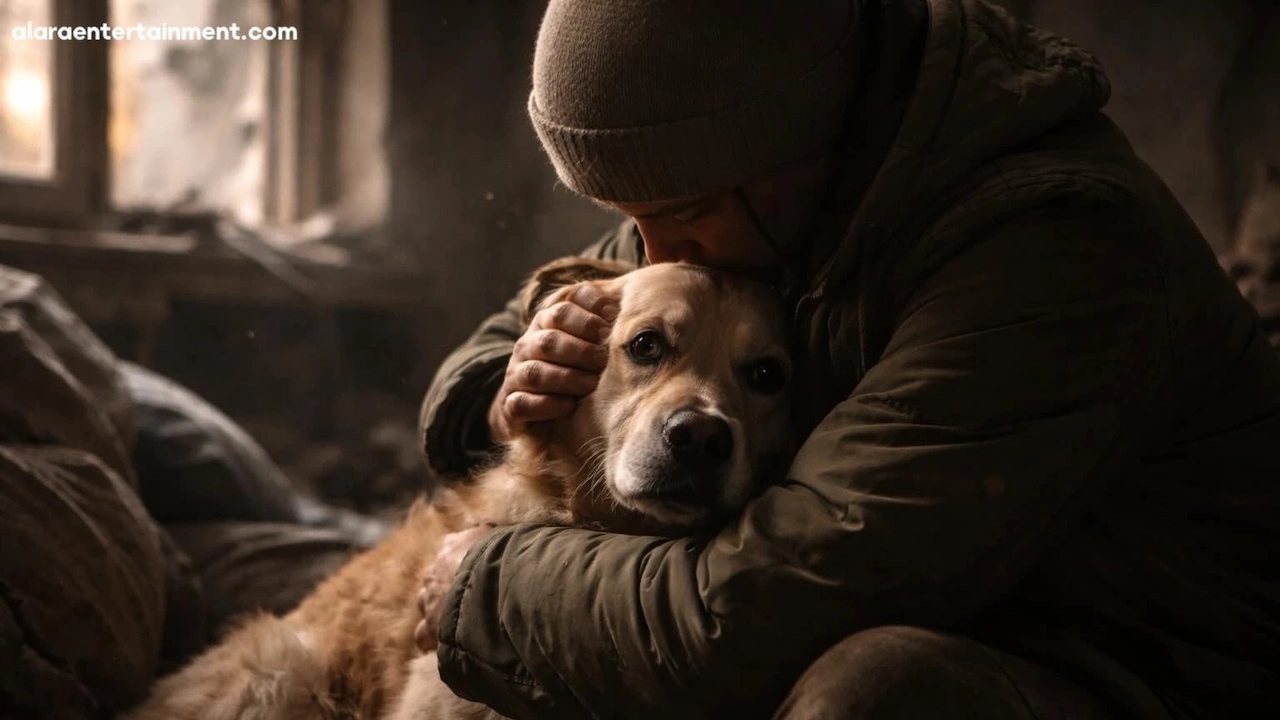
Why Pet Protection Matters During War
Armed conflicts create chaos not only for humans but also for pets that rely on their owners for safety. Proper planning, preparing an emergency kit, and maintaining a calm environment are essential steps to shield them from danger. This guide explains how to keep your pets safe during unstable and high-risk situations.
Initial Safety Measures for Pets
During attacks or bombings, open doors, broken windows, or loud noises can cause pets to escape out of fear. Secure all exits and ensure your home is safe from hazards. Equip your pet with a collar and an ID tag containing your phone number. If your pet does not have a microchip, get one as soon as possible. Always keep recent photos of your pet in case they get lost.
Safe Shelters and Carriers
A proper carrier or shelter plays a crucial role in emergencies. Pets must be trained to enter their carrier voluntarily so they do not panic during sudden evacuations. Keep the carrier accessible, place soft bedding inside, and regularly leave treats to help your pet associate it with safety.
Emergency Kit and Food Storage
Access to stores or veterinary clinics may become impossible during war. Prepare an emergency kit that is always ready to carry. Include food and water supplies for at least two weeks, medications for one month, foldable bowls, and waterproof medical documents.
Hygiene and Health During Crisis
Maintaining hygiene indoors is crucial when going outside becomes unsafe. Dogs should use training pads, while cats need enough litter to stay clean. Wipes made for pets help maintain their paws and coat. Clean environments reduce infections and keep their immune system strong.
Managing Fear and Stress
Explosions and alarms can trigger intense fear in pets. A quiet inner room, closed curtains, and soft music can help reduce stress. Chew toys, licking pads, and puzzle toys help distract them and prevent anxiety buildup.
Evacuation Planning
Know safe routes and coordinate with people living in safer areas. Emergency shelters often do not accept animals, so make personal arrangements beforehand. Never leave your pet alone in the house during crisis.
Conclusion
With preparation and calmness, you can protect your pets during war. They rely entirely on you, so make sure they feel safe and cared for throughout the crisis.
FAQ
Should pets stay in carriers during war?
Only when evacuation is necessary or danger is immediate.
How much food should be stored?
At least 14 days’ worth of food and water.
Last Updated on 1, April 2026 by admin | Published: 1, April 2026