
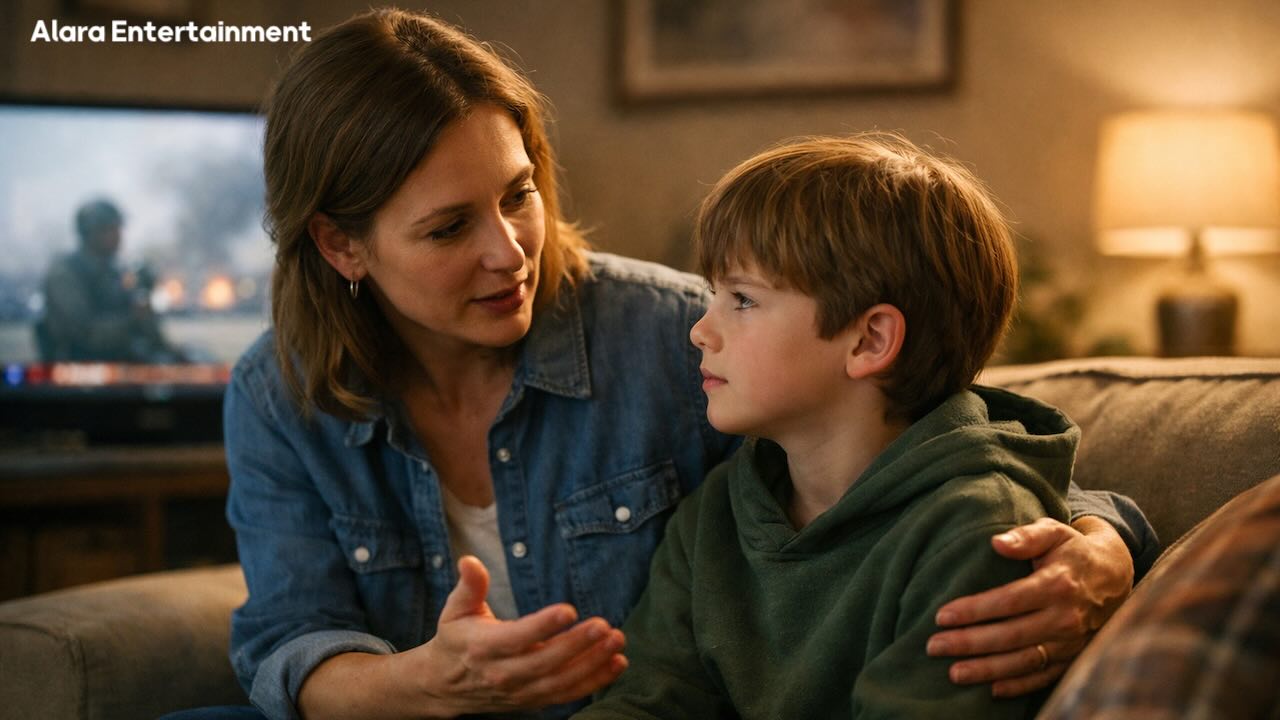
Children today are often exposed to news and conversations about global events, including conflicts and wars. Even if they do not fully understand what is happening, they may see images on television, hear discussions among adults, or learn about events from friends at school. These experiences can raise questions or concerns in their minds.
For parents, knowing how to discuss difficult topics like war with children can be challenging. However, open and age‑appropriate conversations can help children process what they hear and feel more secure. When handled carefully, these discussions can also teach important values such as empathy, compassion, and respect for others.
Why Talking to Children About War Matters
Children are often more aware of their surroundings than adults realize. Even when they are not actively following the news, they may hear fragments of information from various sources. Without proper context, these pieces of information can lead to confusion, fear, or misunderstandings.
Talking openly with children helps them express their emotions and clarify what they have heard. It also reassures them that they can turn to their parents for reliable answers and emotional support when something worries them.
Practical Ways to Discuss War With Children
1. Start by Understanding What They Know
Before explaining anything, ask your child what they have heard or understood about the situation. This will help you identify misconceptions and determine how much information they actually need.
2. Use Age‑Appropriate Language
Younger children need simple explanations, while older kids and teenagers can handle more complex discussions about conflicts, causes, and global efforts for peace.
3. Listen to Their Feelings
Children may feel scared, sad, or angry after hearing about war. Encourage them to talk about their emotions and reassure them that their feelings are valid.
4. Keep Information Limited and Reliable
Children do not need detailed descriptions of violence. Provide basic, truthful information without exposing them to disturbing images or excessive news coverage.
5. Highlight Positive Actions
Discuss how people around the world help victims of conflict and work toward peace. This helps children feel hopeful rather than helpless.
6. Manage Media Exposure
Continuous exposure to news coverage can increase anxiety. Limiting media consumption and discussing news calmly can make a significant difference.
Signs of Hidden Anxiety in Children
Sometimes children do not talk about their fears directly. Instead, their anxiety may appear through behavior changes such as sleep problems, irritability, clinginess, or changes in appetite. Parents should observe these signals and provide reassurance and emotional support.
Key Tips for Parents
Be patient when answering questions, remain honest while keeping explanations simple, and maintain normal daily routines. Consistency in daily activities such as meals, playtime, and bedtime can help children feel safe and secure.
Conclusion
Talking to children about war is never easy, but avoiding the conversation entirely may leave them confused or frightened. With empathy, clear communication, and reassurance, parents can help children understand complex world events while maintaining a sense of safety and trust.
Last Updated on 29, March 2026 by admin | Published: 29, March 2026