
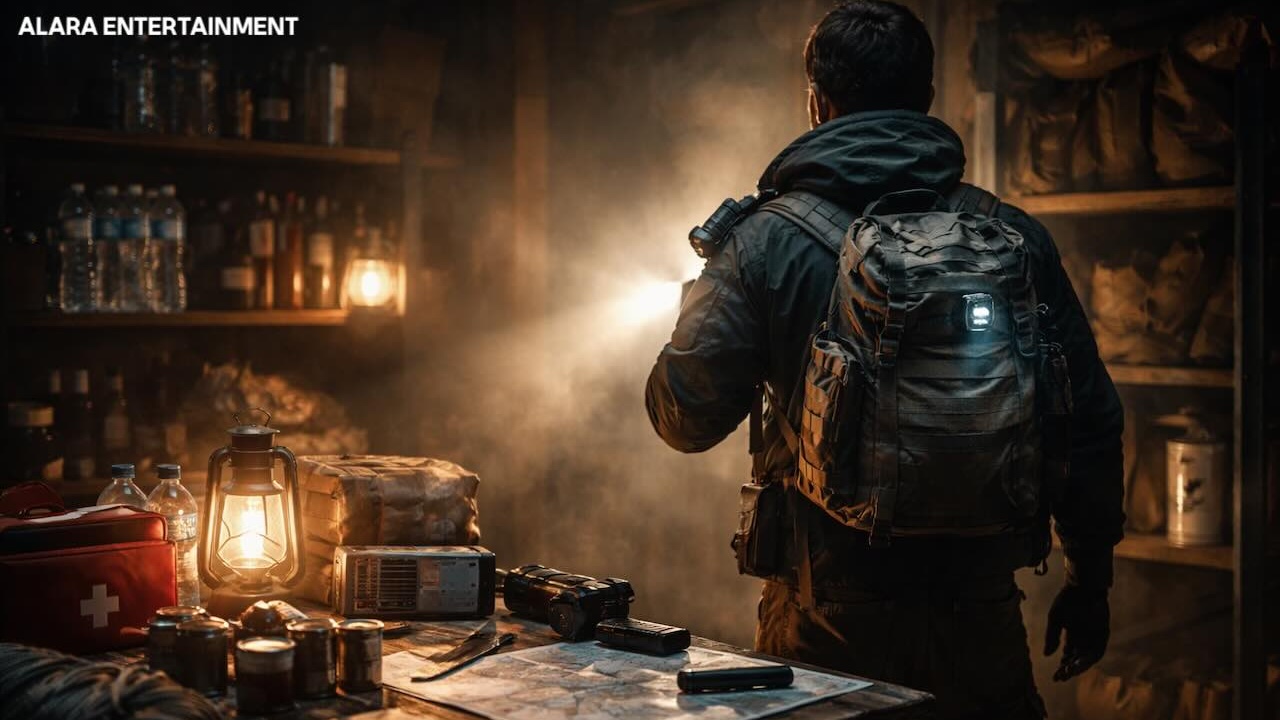
In a world where explosions and alarming news can become part of our daily reality, feelings of fear and uncertainty are completely natural. The biggest source of this anxiety is often the sense of powerlessness and lack of control. However, the truth is that even amidst major crises, we still have control over significant aspects of our lives and safety. Preparing for emergencies is a wise choice to mitigate risks and enhance our sense of command. At Alara Entertainment, we understand how the right information can be the difference between fear and preparedness. Therefore, we take protecting ourselves during wartime seriously.
‘Survival Kit’ Checklist: Your Constant Companion in Crisis
One of the first and most crucial steps in preparedness is having a ‘survival kit’ or ‘Go-Bag’. This bag should contain a collection of essential items that you can quickly grab and take with you if you need to leave your home urgently. In situations like fires, earthquakes, or immediate evacuation orders, you only have a few minutes. Having a ready-made kit prevents the waste of critical time.
Essential Contents of an Emergency Kit:
-
- Important Documents: Keep copies of identification, national ID cards, marriage certificates, property deeds, and other vital documents physically and also scanned on a USB drive in a waterproof bag.
-
- Non-perishable Water and Food: For at least 72 hours (4 liters of water per person per day, canned foods, energy bars, chocolate).
-
- First Aid Supplies: Including bandages, sterile gauze, antiseptic wipes, adhesive bandages, pain relievers, and personal medications for family members.
-
- Cash: Banking systems may fail. Having some cash (preferably small denominations) is essential.
-
- Hygiene and Utility Items: A small flashlight, extra batteries, a charged power bank, a whistle (to signal location), personal medications, and pain relievers.
-
- Radio and Flashlight: A battery-powered or rechargeable radio that can serve as your sole communication link to the outside world in case of power and internet outages.
Additionally, always keep emergency numbers in your mobile phone and also physically with you.
1. Information Management: Smart Power in Times of Chaos
During wartime, information is as vital as water and food, but misinformation can be equally deadly. Access to correct information about safe zones, routes, and official warnings can save your life. Conversely, rumors and fake news can lead to wrong decisions and unnecessary panic.
Practical Tips for Information Management:
-
- Follow Official Sources: Rely only on a few official and reputable sources (like national radio, television, and recognized news agencies) and avoid anonymous channels and pages on social media.
-
- Get a Battery-Powered Radio: In case of power and internet outages, a radio will be your only connection to the outside world.
-
- Adopt a ‘News Diet’: Do not immerse yourself in the news. Check information at specific intervals and then turn off the media to prevent undue anxiety.
2. Identifying a Safe Shelter: Your First Line of Defense
At the moment danger strikes, there is no time to think about where to go. You must have identified the safest spot beforehand. This is one of the most crucial principles of self-protection during wartime.
Determining and Preparing Your Shelter:
-
- In Apartments: The safest places are mid-level floors (not the ground floor or the highest floor), interior hallways, bathrooms, or any room with the fewest windows and exterior walls. Never use elevators.
-
- In Villas: Basements are the best option. Otherwise, take refuge in the most central and interior part of the house.
-
- Prepare the Space: Clear the path to the shelter of any obstructions and, if possible, place some water and a small first-aid kit there.
3. Storing Water and Food: The Most Critical Needs
Water and electricity infrastructure is highly vulnerable during wartime. Therefore, access to safe drinking water is the top priority for self-protection. Humans can survive for weeks without food, but only a few days without water. The disruption of the municipal water supply is a serious threat.
Practical Storage Solutions:
-
- Water: Store at least 4 liters of water per person per day (for drinking and sanitation) for a minimum of two weeks. You can use bottled water or clean plastic containers. The bathtub can also be filled with water in emergencies.
-
- Food: Store foods that do not require cooking or refrigeration: various canned goods (beans, fish, vegetables), rice, pasta, dry grains, honey, biscuits, and nuts.
4. First-Aid Kit and Knowledge: Be Your Own First Responder
In critical situations, access to emergency medical services may be very difficult or impossible. You must be your family’s first responder. Knowing basic first-aid procedures, such as how to stop bleeding, apply a simple splint, or treat a burn, can save a life.
Essential First-Aid Actions:
-
- Assemble a Comprehensive First-Aid Kit: Go beyond the contents of your emergency kit and put together a full kit with essential supplies.
-
- Get Educated: Watch and download credible training videos on first aid from organizations like the Red Cross or Red Crescent.
-
- Practice with Family: Practice basic first-aid procedures with your family members so you are prepared when needed.
5. Family Communication Plan: Staying Connected Amidst Chaos
In the initial chaos of an incident, family members may become separated. Mobile networks and the internet are the first things to be disrupted in a crisis. You need to know how to find each other beforehand.
Vital Apps That Work Offline:
-
- Offline Maps: Download apps like Google Maps or MAPS.ME so you can navigate even without an internet connection.
-
- Offline Messengers: Apps like Bridgefy use Bluetooth and internal Wi-Fi to create a ‘local network’, enabling chat within a close range.
-
- First Aid App (First Aid – IFRC): The official Red Cross/Red Crescent app is a comprehensive first-aid encyclopedia that doesn’t require internet.
-
- FM Radio: Many Android phones have built-in FM radio receivers that work with headphones, serving as a vital source for official news when the internet is down.
Critical Tip: Observe the 20% battery rule. Always keep your phone on Power Saving mode, minimize screen brightness, turn off Bluetooth and Wi-Fi if not in use, and if you don’t have a power bank, only turn on your phone for essential calls and keep it off otherwise.
6. Financial and Digital Security: Protecting Your Assets
In today’s world, crises are not just physical. Access to money and personal information is also at risk. Protecting yourself during wartime is impossible without managing your finances and digital security.
Practical Steps for Financial and Digital Security:
-
- Cash: Keep some cash in a secure place at home and also in your emergency kit.
-
- Back Up Your Data: Create backups of all important computer and mobile phone data (photos, documents) on an external hard drive or multiple USB drives and keep them in a safe place.
7. Preparing Your Home and Vehicle: Shelter and Mobility
Your home is your primary shelter, and your personal vehicle is your main tool for potential evacuation.
Necessary Preparations:
-
- Home: Use wide adhesive tape to cover windows in an ‘X’ or star pattern. This prevents shattering glass from blast waves. Have a fire extinguisher at home.
-
- Vehicle: Keep your gas tank as full as possible at all times. Ensure your spare tire is in good condition and the vehicle’s mechanical status is sound.
8. Maintaining Calm and Avoiding Crowds: The Key to Survival
Large gatherings can easily become military targets or centers of chaos and violence. Remember that staying calm is key to protecting yourself during wartime.
Key Tips for Maintaining Calm:
-
- Stay home as much as possible and avoid unnecessary travel.
-
- Maintain a normal, unobtrusive appearance. Avoid wearing clothes or carrying items that make you stand out.
9. The Power of Local Solidarity: Relying on Neighbors
In a real crisis, the first people who can help you are not emergency responders, but your neighbors.
Building a Local Support Network:
-
- Know your trusted neighbors and have their phone numbers.
-
- Create a small support network within your building or street, sharing your skills.
-
- Pay extra attention to more vulnerable individuals, such as the elderly or families with young children.
10. Survival Knowledge: The Vital 3-3-3 Rule
To survive, your body’s priorities are: 3 minutes without air, 3 hours without shelter in harsh weather, 3 days without water, and 3 weeks without food. Therefore, in a crisis, prioritize safety and shelter first, then water, and finally food.
Conclusion
No one can perfectly predict the future, but preparedness is our best tool for facing uncertainty. Taking these actions not only enhances your physical safety but also significantly aids your mental well-being by restoring a sense of control and agency. Ultimately, our greatest assets in tough times are humanity, rational thinking, and caring for one another. At Alara Entertainment, we believe that awareness and preparation are the keys to overcoming any crisis.
What are your thoughts on this? Share your perspective in the comments section!
Frequently Asked Questions (FAQ)
1. What is the top priority during wartime?
The top priority is ensuring the physical and psychological safety of yourself and your family. This includes finding safe shelter, ensuring access to water and food, and maintaining calm.
2. How can we stay in touch with family if the internet goes down?
Using offline messaging apps like Bridgefy, having a battery-powered radio for official news, and pre-arranging meeting points and emergency communication plans can be helpful.
Last Updated on 28, March 2026 by admin | Published: 28, March 2026