
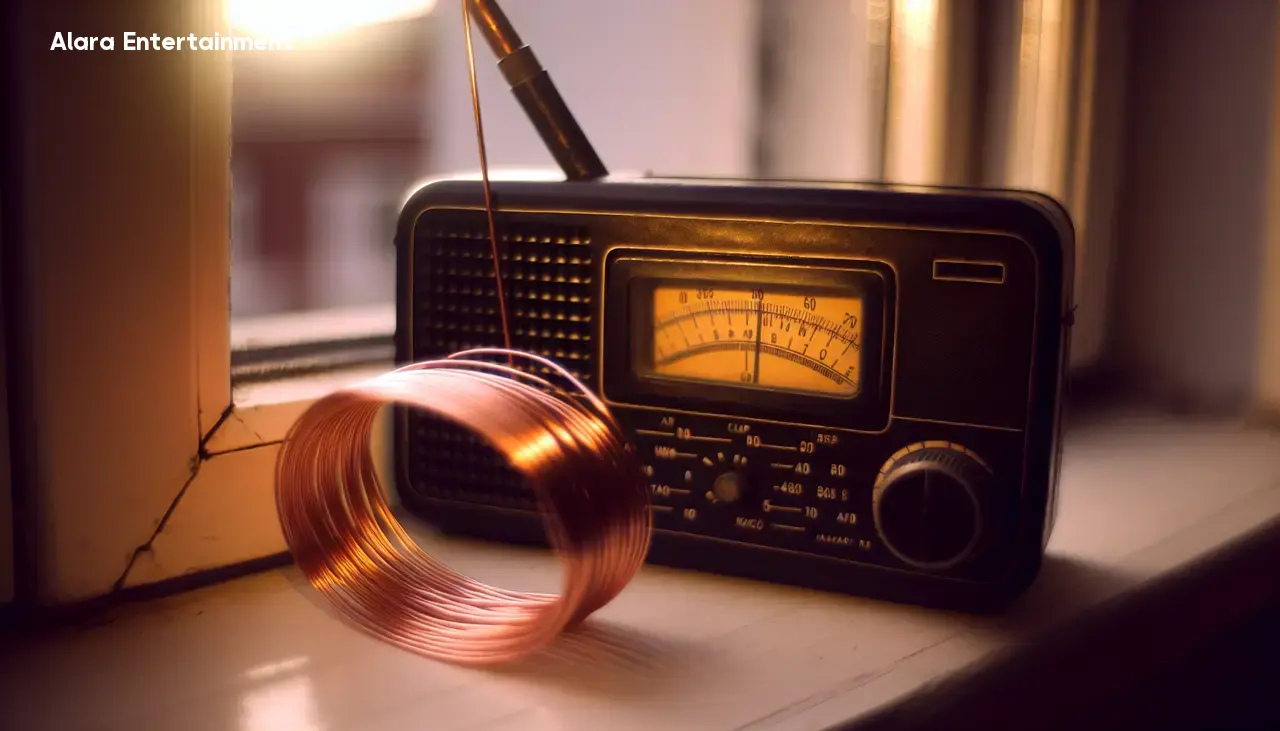
Imagine your phone has no signal and the grid is down. In such situations a shortwave radio can be a vital source for news and information. This guide explains how shortwave works, what to look for when buying an emergency radio, and practical tips for reception.
Why shortwave matters
FM and AM signals generally travel line-of-sight and are limited by terrain and the curvature of the Earth. Shortwave (3–30 MHz) behaves differently: it bounces off the ionosphere and can travel thousands of kilometers, making it useful for long-distance broadcasts and emergency communications. See more on Wikipedia.
Choosing the right emergency radio
- SW capability: Ensure the radio explicitly supports shortwave bands.
- SSB support: Single sideband helps pick up ham and field communications, useful in large-scale emergencies.
- Independent power: Radios that run on AA batteries, hand-cranks, or solar cells are preferable to USB-only devices.
- External antenna input: Allows connecting a longwire antenna for better reception indoors.
- DSP chips: Digital signal processing provides better frequency stability and selectivity.
Reception tips
Time of day affects which bands are optimal: higher frequencies (13–30 MHz) work better during daylight, while lower frequencies (3–10 MHz) improve at night. Expect fading and background noise—analog radio often requires patience and attentive listening. To reduce interference, disconnect noisy devices and use a long wire antenna (5–10 m) led outside the window.
Practical countermeasures
If a station is covered by intentional interference, slightly detune the receiver (off-tuning) to escape the center of the jammer. On digital radios, narrow the bandwidth. Keep spare batteries, document important frequencies in advance, and practice using your radio before an emergency occurs.
A simple battery-powered shortwave radio and a length of wire can make a major difference in a crisis. Familiarize yourself with basic techniques now to avoid panic later.
FAQ
Can a car radio be used during outages?
Car radios are helpful for local FM/AM alerts but usually lack shortwave capability for international or long-distance signals.
What if the antenna is broken?
Attach a 3–5 meter wire to the antenna terminal and place it outside; it will function as an effective substitute.
What do you think about this guide? Share your opinion in the comments!
For the latest entertainment news visit Alara Entertainment.
Last Updated on 22, March 2026 by admin | Published: 22, March 2026