
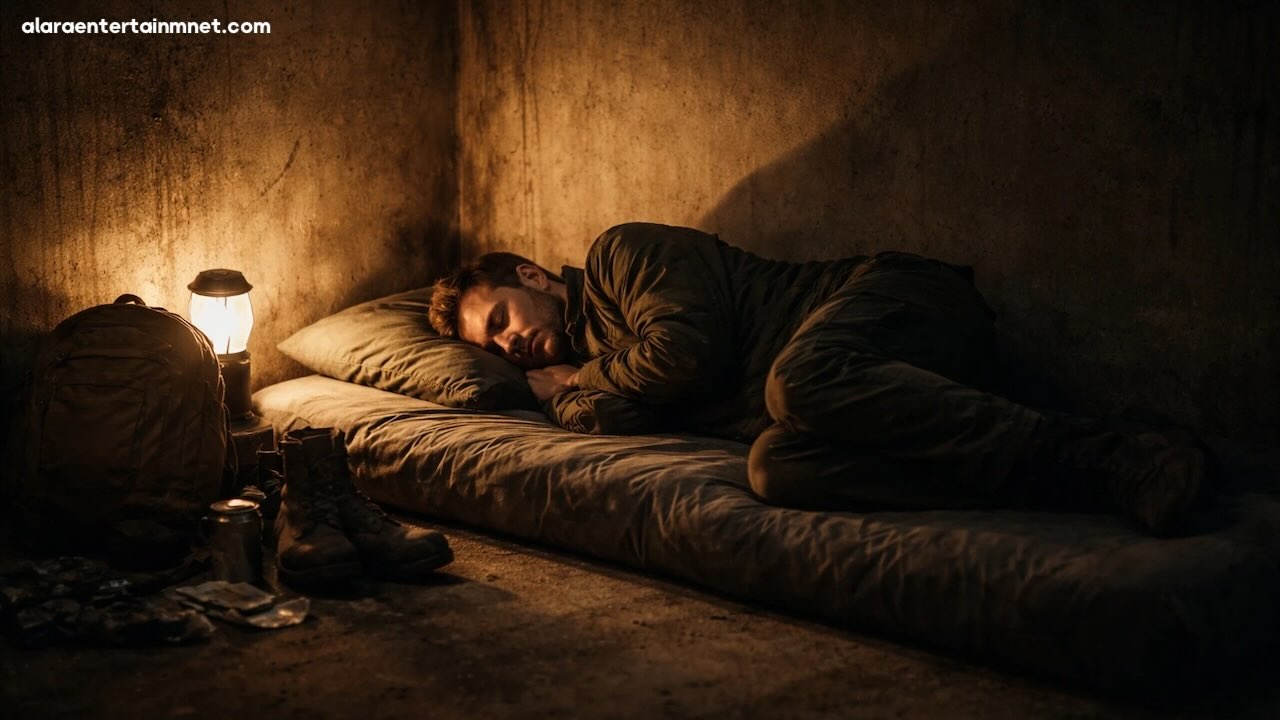
Getting enough rest during times of crisis can be extremely challenging. Anxiety, constant news updates, and sudden noises can keep the mind alert and prevent deep sleep. However, adopting a few practical habits can help improve sleep quality even in stressful situations.
Choose the Safest Place to Sleep
The first step toward better sleep is selecting a secure location in your home. Rooms located toward the center of a building or those with fewer windows are generally safer choices. Staying away from glass and exterior walls reduces potential risks.
Check the Environment Before Nightfall
Before going to sleep, examine the area around your resting place. Remove heavy furniture or hanging objects that might fall during vibrations or sudden movements.
Reduce Stress with Breathing Techniques
Persistent anxiety is one of the main reasons people struggle to sleep during crises. Breathing exercises can calm the nervous system and reduce heart rate. The box breathing technique involves inhaling, holding, exhaling, and pausing for four seconds each.
Limit News Consumption Before Bed
Constantly checking news and social media can increase stress hormones. Stopping news consumption at least two hours before bedtime can help the mind relax.
Manage Environmental Noise
Unexpected noises can disrupt sleep. Technology can help mask background sounds. Apps that generate natural ambient sounds like rain or flowing water can create a calmer atmosphere.
Using White Noise
White noise acts as a gentle sound barrier that reduces the impact of sudden environmental sounds.
Create Night Watch Shifts in Groups
If several people are sheltering together, creating watch shifts can help everyone get proper rest while someone remains alert.
Prepare an Emergency Bag
A small emergency bag containing documents, a flashlight, water, and a power bank can reduce anxiety about leaving quickly during danger.
Use Proper Sleeping Gear
Sleeping bags, blankets, eye masks, and earplugs can significantly improve comfort in temporary shelters.
Pay Attention to Nutrition
Avoid caffeine late in the day because it stimulates the nervous system. Eating a light dinner can help the body relax more easily.
Herbal Drinks for Relaxation
Herbal teas like chamomile may help calm the body and improve sleep quality.
Maintain Familiar Routines
Maintaining small routines such as reading before bed or doing light stretches can provide a sense of stability and comfort even during crises.
Conclusion
Although restful sleep during wartime can be difficult, implementing a few simple strategies can make a significant difference. Creating a safe environment, reducing stress, and maintaining routines can help support both physical and mental well‑being.
Last Updated on 31, March 2026 by admin | Published: 31, March 2026